Extending the Shelf Life of Your Homemade Yogurt
Increasing the shelf life of homemade yogurt is an important factor for anyone who appreciates this nutritious treat. Proper storage methods play a critical role in maintaining its freshness and quality. From picking the right container to understanding the importance of temperature control, various factors come into play. Furthermore, natural preservatives can improve longevity. However, it is equally essential to detect signs of spoilage. What methods can assure your yogurt remains fresh for as long as possible?
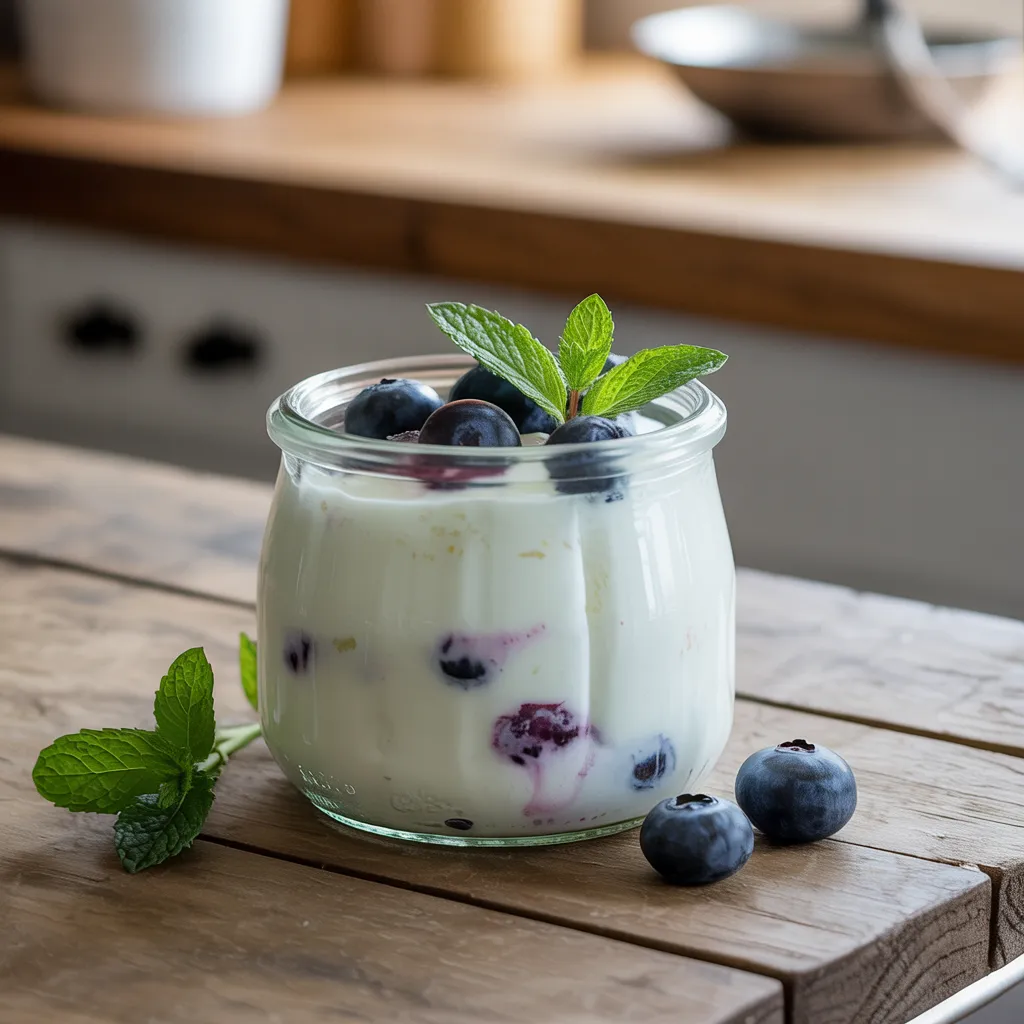
How to Store Homemade Yogurt for Maximum Freshness
To preserve the freshness of homemade yogurt, correct storage methods are essential. First, it is important to permit the yogurt to cool entirely at room temperature before refrigeration. Once cooled, it should be placed to a clean, airtight container to prevent contamination and exposure to odors. Placing yogurt in the coldest part of the refrigerator can help preserve its quality, ideally at a temperature of 40°F (4°C) or lower. Additionally, avoiding frequent opening of the container can help limit temperature fluctuations and exposure to bacteria. Homemade yogurt typically remains fresh for one to three weeks, but checking for any changes in texture or smell is essential. It is advisable to store yogurt away from the fridge door to reduce the impact of temperature changes. Following these tips can significantly improve the shelf life and quality of homemade yogurt, ensuring a delicious and healthy product.
Ideal Containers for Preserving Homemade Yogurt Secure
Selecting the right containers is vital for preserving the quality of homemade yogurt. Food-grade plastic containers and airtight glass jars are among the top choices, as they help avoid contamination and preserve freshness. Each type of container offers specific advantages read guide that can impact the yogurt's shelf life.
Hermetically Sealed Glass Jars
Airtight glass containers represent an ideal option for storing homemade yogurt, providing both preservation and security. These containers effectively prevent air exposure, which can result in spoilage and the spread of harmful bacteria. Glass is chemically inert, indicating that it will not leach chemicals into the yogurt, maintaining its nutritional content and taste. In addition, the transparency of glass allows for easy monitoring of the yogurt's state over time. Airtight glass jars are also simple to wash and can be reused multiple times, making them environment-conscious. When adequately sealed, these jars can extend the yogurt's shelf life considerably, retaining its creamy consistency and tangy flavor. In summary, airtight glass jars are a trustworthy solution for yogurt enthusiasts seeking ideal storage solutions.
Food-Safe Plastic Storage Containers
Food-grade plastic containers provide a convenient and light option for keeping homemade yogurt fresh. They are created to avoid chemical reactions, confirming that the yogurt remains pure and preserves its flavor and texture. These containers are typically BPA-free, making them a better alternative for food storage. Their airtight seals help prevent exposure to air, which can cause spoilage and off-flavors. Additionally, food-grade plastic containers are available in various sizes, providing versatile storage options based on yogurt quantity. They are also easy to stack and store in refrigerators. When choosing food-grade plastic containers, it is vital to verify proper labeling to ensure safety and quality, thereby extending the shelf life of homemade yogurt effectively.
The Impact of Temperature on Homemade Yogurt Freshness
Even though homemade yogurt can be a scrumptious and nourishing addition to a diet, its freshness is significantly influenced by temperature. Appropriate temperature control is essential for preserving the quality and maximizing the shelf life of yogurt. When stored at elevated temperatures, yogurt is more susceptible to spoilage due to the rapid growth of bacteria and mold. Perfect storage temperatures for homemade yogurt range between 32°F and 40°F (0°C to 4°C). At these temperatures, the beneficial bacteria can flourish, while harmful microorganisms remain controlled. Conversely, exposure to warmer environments can produce off-flavors, changes in texture, and reduced nutritional value. Moreover, frequent temperature fluctuations can disturb the yogurt's fermentation process, resulting in inconsistent quality. As a result, keeping a steady, cold environment is vital for optimizing the freshness of homemade yogurt, guaranteeing it remains a safe and pleasant dietary option. Proper storage practices can make a considerable difference in the yogurt's longevity.
Natural Preservatives for Longer Yogurt Life
Natural preservatives can greatly extend the shelf life of homemade yogurt. Substances like honey, citrus juice, and salt not only elevate flavor but also suppress microbial development, ensuring extended freshness. Discovering the benefits and functions of these natural additives can deliver helpful knowledge for yogurt enthusiasts.
Honey As A Preservative
Honey works as an effective natural preservative, extending the shelf life of homemade yogurt while imparting a unique flavor. Its high sugar content creates an inhospitable environment for bacteria, minimizing spoilage and extending freshness. Furthermore, honey contains natural antioxidants and antimicrobial properties that further prevent the growth of harmful microorganisms. When incorporated into yogurt, honey not only acts as a preservative but also improves the product with beneficial enzymes and nutrients. The combination of probiotics from yogurt and the natural compounds in honey can support improved gut health. By using honey as a sweetener and preservative, yogurt makers can benefit from a delicious and longer-lasting product, making it a sought-after choice for those seeking natural preservation methods.
Benefits of Citrus Juice
Incorporating citrus juice into homemade yogurt can offer several advantages that improve its shelf life. Citrus juice, specifically from lemons and limes, contains natural acids and antioxidants that can inhibit microbial growth, consequently prolonging the yogurt's freshness. The acidity not only reduces the pH but also creates an environment less favorable for spoilage organisms. Moreover, the vitamin C present in citrus juice acts as a natural preservative, enhancing the yogurt's durability. The vibrant flavor of citrus can also enhance the overall taste, making the yogurt more appealing. By incorporating citrus juice, yogurt makers can effectively prolong the shelf life of their homemade creations while at the same time enhancing their nutritional profile.
How Salt Functions In Preservation
Maintaining quality and safety for homemade yogurt, with salt playing a crucial role in this process. By adding a small amount of salt to yogurt, the growth of unwanted bacteria is suppressed, permitting beneficial cultures to thrive longer. Salt works by drawing moisture out of the yogurt, producing an environment less favorable for spoilage organisms. Additionally, it improves the flavor profile, making the yogurt more appealing. However, moderation is crucial, as excessive salt can change the taste and texture negatively. All in all, incorporating salt as a natural preservative can prolong the shelf life of homemade yogurt, ensuring it remains safe and delicious for a longer period.
How to Recognize Spoiled Yogurt?
Recognizing spoiled yogurt is crucial for safeguarding food safety and protecting health. Several indicators can indicate that yogurt has gone bad. First, an off smell, often unpleasant or rancid, is a clear warning sign. Second, the presence of mold, which can appear as fuzzy spots on the surface, indicates spoilage. Moreover, a significant change in texture, such as excessive separation of liquid or curdling, may suggest that the yogurt is no longer safe to consume. Taste can also be a factor; if the yogurt has an excessively sour or bitter flavor, it is best to discard it. Finally, the expiration date on the container should be examined; while homemade yogurt may last longer if stored correctly, it is prudent to trust one's senses and err on the side of caution when recognizing spoiled yogurt. Proper assessment can help prevent foodborne illness and deliver a safe culinary experience.
How to Freeze and Thaw Yogurt Safely
Yogurt's shelf life can be extended considerably through freezing, permitting easy use in a variety of recipes or as a healthy snack. To properly freeze yogurt, one should first transfer it into an airtight container or freezer-safe bag, allowing some room for expansion. Tag the container with the date to track how long it has been frozen, as yogurt is best consumed within two or three months for premium quality.
When you need to defrost the yogurt, it is vital to do so safely to maintain its texture and flavor. The best method is to move the yogurt from the freezer to the refrigerator, allowing it to thaw progressively over a few hours or through the night. For more rapid thawing, putting the sealed container under cold running water can be successful. Once thawed, yogurt may look slightly grainy but can however be stirred to restore a smoother consistency before use.
Clever Approaches to Consume Extra Yogurt Before It Turns
Utilizing leftover yogurt creatively can avoid waste while bringing flavor and nutrition to multiple dishes. One useful approach is to mix yogurt into smoothies, boosting texture and creaminess. It can also function as a base for salad dressings, stirred with herbs and spices to create a tangy topping. Furthermore, yogurt can be used in baking, taking the place of sour cream or buttermilk in recipes for muffins or pancakes, yielding a moist final product.
When it comes to savory meals, yogurt can be mixed into soups or sauces, providing a creamy consistency and a dash of acidity. Additionally, it can be added to marinades for meats, tenderizing while adding a rich flavor. As a final option, yogurt can be transformed into a tasty dip, combined with cucumbers, garlic, and dill for a rejuvenating tzatziki. By exploring these options, individuals can successfully employ leftover yogurt, cutting down on waste while savoring diverse culinary experiences.
Questions & Answers
Is It Possible to Add Flavorings to Yogurt Without Impacting Its Shelf Life?
Flavoring agents can be incorporated into yogurt without substantially influencing its shelf life. However, the kind and quantity of flavoring used may impact the yogurt's texture and taste, so moderation is advisable for optimal results.
How Long Can Homemade Yogurt Be Left at Room Temperature?
You can safely leave homemade yogurt at room temperature for approximately two hours. After this period, harmful bacteria may proliferate, compromising the yogurt's safety and quality, making refrigeration essential for longer storage.
Does Yogurt Culture Variety Influence Shelf Life?
The type of yogurt culture significantly impacts shelf life; specific strains, including Lactobacillus acidophilus, can improve longevity as a result of their durable traits, while others may lead to quicker spoilage, impacting overall freshness and storage duration.
Can I Reuse Yogurt Containers for Storage?
Yes, yogurt containers can be reused for storage. However, proper and complete cleaning is necessary to guard against contamination. Proper sanitation helps maintain food safety and preserves the quality of stored items.
Is It Safe to Consume Yogurt After the Expiration Date?
Having yogurt past its expiration date could be safe if it exhibits no indicators of spoilage, such as off smells or mold. However, consumption is at the consumer's risk, and freshness should always be made a priority.