Grasping the Strength of Essential Amino Acids
Essential amino acids (EAAs) are fundamental components of protein that the body cannot produce. They serve a crucial function in numerous physiological functions, including muscle recovery and immune support. Understanding their significance is essential for anyone focused on health and athletic performance. Still, many individuals may not understand the implications of an EAA deficiency. Investigating the sources and benefits of these vital nutrients can provide valuable insights into achieving optimal health.
What Are Essential Amino Acids and Their Functions?
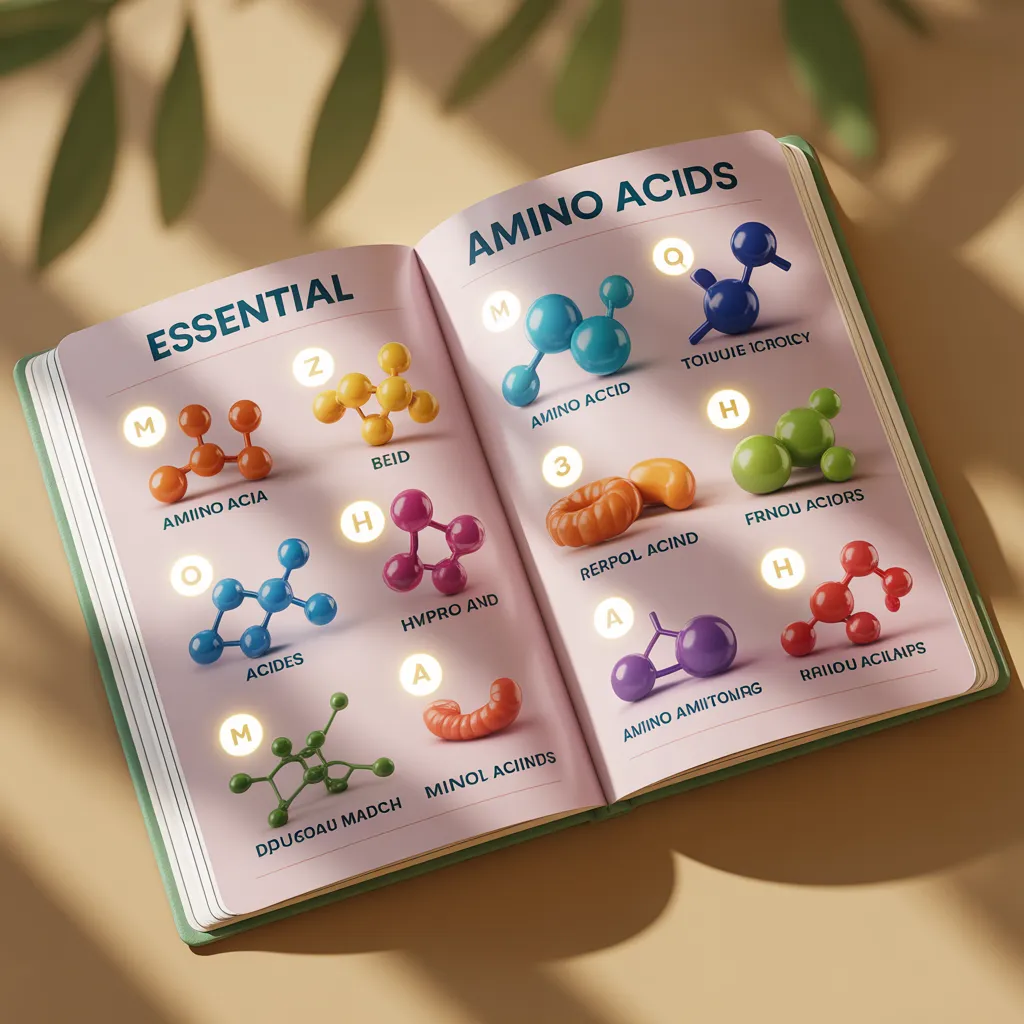
Essential amino acids represent important substances that the body cannot create on its own, making their dietary intake indispensable for overall health. There are nine essential amino acids, which include histidine, isoleucine, leucine, lysine, methionine, phenylalanine, threonine, tryptophan, and valine. Each plays a distinct role in various physiological processes. For instance, leucine is vital for muscle protein synthesis, while lysine supports immune try this function and collagen production. Tryptophan is a precursor for serotonin, regulating mood and sleep. Essential amino acids are involved to the synthesis of hormones, enzymes, and neurotransmitters, shaping metabolism and overall well-being. Their presence in the diet is essential for tissue repair, energy production, and nutrient absorption. Foods rich in essential amino acids include meat, fish, dairy, eggs, and certain plant-based sources like quinoa and soy. Understanding these functions underscores the importance of incorporating essential amino acids into a balanced diet.
The Importance of Essential Amino Acids for Better Health
Amino acids prove crucial for supporting overall health, as they work as the essential elements of proteins required for countless bodily functions. Essential amino acids (EAAs), which the body cannot create, must be sourced through diet. These amino acids play a pivotal role in muscle repair and growth, making them essential for athletes and active individuals. Additionally, they aid in the synthesis of hormones and neurotransmitters, impacting mood, metabolism, and cognitive functions.
In addition, EAAs strengthen immune function and are part of various metabolic pathways, guaranteeing the body performs efficiently. A balanced intake of these amino acids assists in sustaining proper nitrogen balance, encouraging overall well-being. Foods rich in EAAs include meat, fish, dairy products, and certain plant-based sources like quinoa and soy. Including a variety of these foods in one's diet is vital for superior health, helping the body to perform its functions effectively and maintain homeostasis.
Common Signs of EAA Depletion
Insufficient essential amino acids (EAAs) can appear in a number of distinct ways. Common signs include fatigue and muscle weakness, impaired immune function, and irritability or mood fluctuations. Being aware of these symptoms is essential for preserving total wellness and health.
Weakness And Fatigue In Muscles
Weakness in muscles and tiredness are commonly disregarded indicators that can suggest a deficiency in essential amino acids (EAAs). These key amino acids fulfill a crucial role in muscle protein synthesis, energy production, and overall physical performance. When EAAs are inadequate in the body, muscle repair and growth may be compromised, leading to a decline in strength and increased feelings of tiredness. One may observe difficulty in completing routine physical activities or prolonged recovery times after exercise. This deficiency can particularly affect individuals participating in consistent exercise or athletic training, as their bodies require higher amounts of EAAs for peak performance. Identifying these indicators is crucial for addressing nutritional imbalances and ensuring adequate intake of essential amino acids for maintaining overall muscle health.
Compromised Immune Function
Essential amino acids (EAAs) are vital for sustaining a healthy immune system, and their deficiency can bring about impaired immune function. People facing EAA deficiency may demonstrate frequent infections, prolonged recovery times from illnesses, and increased susceptibility to pathogens. These individuals may also notice a reduction in the efficiency of vaccinations, as their immune response is compromised. Symptoms such as chronic inflammation and poor wound healing are supplementary indicators of impaired immune function associated with suboptimal EAA intake. Moreover, the body's ability to produce antibodies and cytokines, vital components of the immune response, may be compromised. Therefore, maintaining an adequate supply of essential amino acids is vital for total immune health and resilience against infections.
Mood Changes And Irritability
Insufficient essential amino acids can appear in different manners, including mood changes and increased irritability. These emotional fluctuations often result from the role EAAs play in the production of neurotransmitters, which is critical to mood regulation. When the body doesn't have adequate essential amino acids, the creation of neurotransmitters like serotonin and dopamine may decrease, causing increased feelings of irritability and anxiousness. Persons facing EAA deficiency might become more vulnerable to frustration or sadness, affecting their overall mental health. Moreover, ongoing emotional instability can damage personal relationships and social interactions, forming a cycle of emotional distress. Acknowledging these symptoms as possible signs of EAA deficiency is vital, as addressing nutritional gaps can substantially boost mood stability and emotional resilience.
Essential Amino Acids: Optimal Food Choices
Amino acids perform an essential role in overall bodily function, and specific foods are especially abundant in the critical kinds that the body cannot generate on its own. Animal-based proteins such as chicken, beef, fish, and eggs supply complete proteins, containing all nine essential amino acids. Milk-based products like cheese and cultured dairy also add substantially to amino acid intake.
For anyone following a plant-based diet, choices include quinoa, soy products like tofu and tempeh, and legumes like lentils and chickpeas, which offer a solid balance of essential amino acids. Nuts and seeds, like chia seeds and hemp seeds, are also valuable additions. Including a variety of these foods into daily meals can help ensure adequate intake of essential amino acids, enhancing overall health and bodily functions.
How Exactly EAAs Aid Muscle Performance and Recovery
Essential amino acids fulfill a crucial purpose in muscle recovery and performance by enabling protein synthesis. They are known to reduce muscle soreness and accelerate recovery time following intense physical activity. Understanding these functions can enable athletes improve their recovery and training approaches.
Function In Protein Synthesis
Athletic performance and muscle recovery rely substantially on the availability of essential amino acids, which play an important role in protein synthesis. These amino acids function as the building blocks for proteins, critical for repairing and rebuilding muscle tissue after physical exertion. During exercise, muscles endure stress and damage, generating the need for efficient recovery processes. Essential amino acids, particularly leucine, activate the activation of key signaling pathways that facilitate muscle protein synthesis. This synthesis is vital for improving muscle mass and strength, permitting athletes to perform at their best. Without adequate intake of essential amino acids, the body may experience difficulty recovering effectively, potentially causing diminished performance and increased risk of injury in subsequent training sessions.
Decreasing Exercise-Related Soreness
Whereas intense exercise is critical for optimal athletic results, it commonly leads to muscle soreness that can obstruct future training sessions. Essential amino acids (EAAs) perform a vital function in alleviating this discomfort. By supporting muscle repair and minimizing inflammation, EAAs help in mitigating the effects of delayed onset muscle soreness (DOMS). They promote the synthesis of proteins that reconstruct worn muscle fibers, thus speeding up recovery after intense workouts. Moreover, the presence of EAAs strengthens the body's ability to manage oxidative stress, which can contribute to soreness. By incorporating EAAs into their diet, athletes can enjoy better muscle recovery, allowing them to maintain continuous training routines and enhance general performance. This underscores the value of EAAs in an athlete's regimen.
Boosting Recovery Time
Recovery time is essential for athletes seeking to improve their performance and prevent injury, and essential amino acids (EAAs) are fundamental to this process. EAAs serve a critical function in muscle repair and growth, facilitating the synthesis of proteins necessary for recovery. By providing the body with these building blocks, athletes can decrease the time required to recover from intense workouts or competitions. Furthermore, EAAs help reduce muscle breakdown, guaranteeing that athletes maintain their strength and endurance. Research demonstrates that supplementation with EAAs post-exercise can greatly improve recovery rates, allowing athletes to train more effectively and consistently. This expedited recovery not only enhances overall performance but also decreases the risk of overuse injuries, making EAAs a vital component of any athlete's nutrition strategy.
Strategies for Introducing More Essential Amino Acids Into Your Diet
Including important amino acids into a person's diet can greatly elevate overall health and well-being. To attain this, individuals can concentrate on including superior protein sources such as lean meats, fish, eggs, and dairy products, all of which contain complete proteins loaded with essential amino acids. For those following a vegetarian or vegan diet, alternatives like quinoa, soy products, and beans can provide ample amounts of vital amino acids when combined effectively.
Additionally, integrating protein supplements, like whey or plant-based protein powders, can serve to bridge any gaps in amino acid intake. Snacking on nuts and seeds can also aid in maintaining a balanced amino acid profile. Meal planning is fundamental; individuals should seek to include a variety of protein sources throughout the day. By making these dietary changes, one can ensure an adequate intake of vital amino acids, ultimately supporting muscle health, recovery, and overall wellness.
FAQ
Do Essential Amino Acids Help With Weight Loss?
Critical amino acids can help with weight loss by preserving muscle retention during calorie reductions, boosting metabolic rate, and suppressing appetite. Still, their effectiveness primarily relies on overall diet and exercise behaviors rather than isolated supplementation.
Do EAA Supplements Have Any Side Effects?
Consuming essential amino acid (EAA) supplements can result in side effects like gastrointestinal upset, nausea, or allergic reactions. It is recommended for individuals to consult with healthcare professionals prior to starting supplementation to ensure safety.
How Might Essential Amino Acids Influence Mental Health?
Essential amino acids can positively influence mental health by facilitating neurotransmitter production, boosting mood, and reducing anxiety. Their presence in the body serves a crucial function in maintaining cognitive function and emotional wellness.
Are Vegetarians Able to Get Sufficient Essential Amino Acids?
Vegetarians can certainly obtain sufficient essential amino acids by pairing various plant-based foods, such as legumes, grains, nuts, and seeds. Strategic meal planning assures a balanced intake of these essential nutrients for peak health.
What Is the Most Effective Time to Take Essential Amino Acids?
The most effective time to use essential amino acids is after training for muscular recuperation, or during meal intervals to enhance protein synthesis. In addition, taking them at bedtime can aid overnight muscle regeneration and development.